Discover the Gramado Cultural Itinerary and explore museums, handicrafts, art spaces, historical attractions, and experiences that reveal the city's identity.
Where to go
The places mentioned in this content, so you can locate each one and plan your visit.
Gramado is a city where creativity is woven into the landscape, culture, and daily life. Renowned for its major events, such as the Film Festival, the Colonial Festival, Gramado in Concert, ChocoPáscoa, the Grape Harvest, and Natal Luz, the city also reveals its creative identity through museums, cultural spaces, squares, parks, studios, and experiences scattered across different regions of the municipality.
The power of the arts, music, gastronomy, and cultural expressions is present in various social spaces and tourist attractions. Gramado preserves its history, values the identity of its people, and encourages connection through events, cultural activities, and revitalized areas that bring residents and visitors together.
This itinerary invites visitors to experience the city through cultural immersion. The goal is to go beyond the postcards and discover the places, stories, knowledge, and talents that define the identity of Gramado.
The itinerary brings together memory spaces, artistic expressions, gastronomic experiences, handicrafts, and attractions that connect Gramado to both local and international culture. Check out some of the selected spots to experience the city's creativity.
To get a taste of Gramado's culture, it is worth trying the products prepared by local farmers. At the Casa do Colono, warm breads and cucas, jams, salamis, and cheeses reveal flavors and recipes that are part of the tradition of the municipality's rural families.
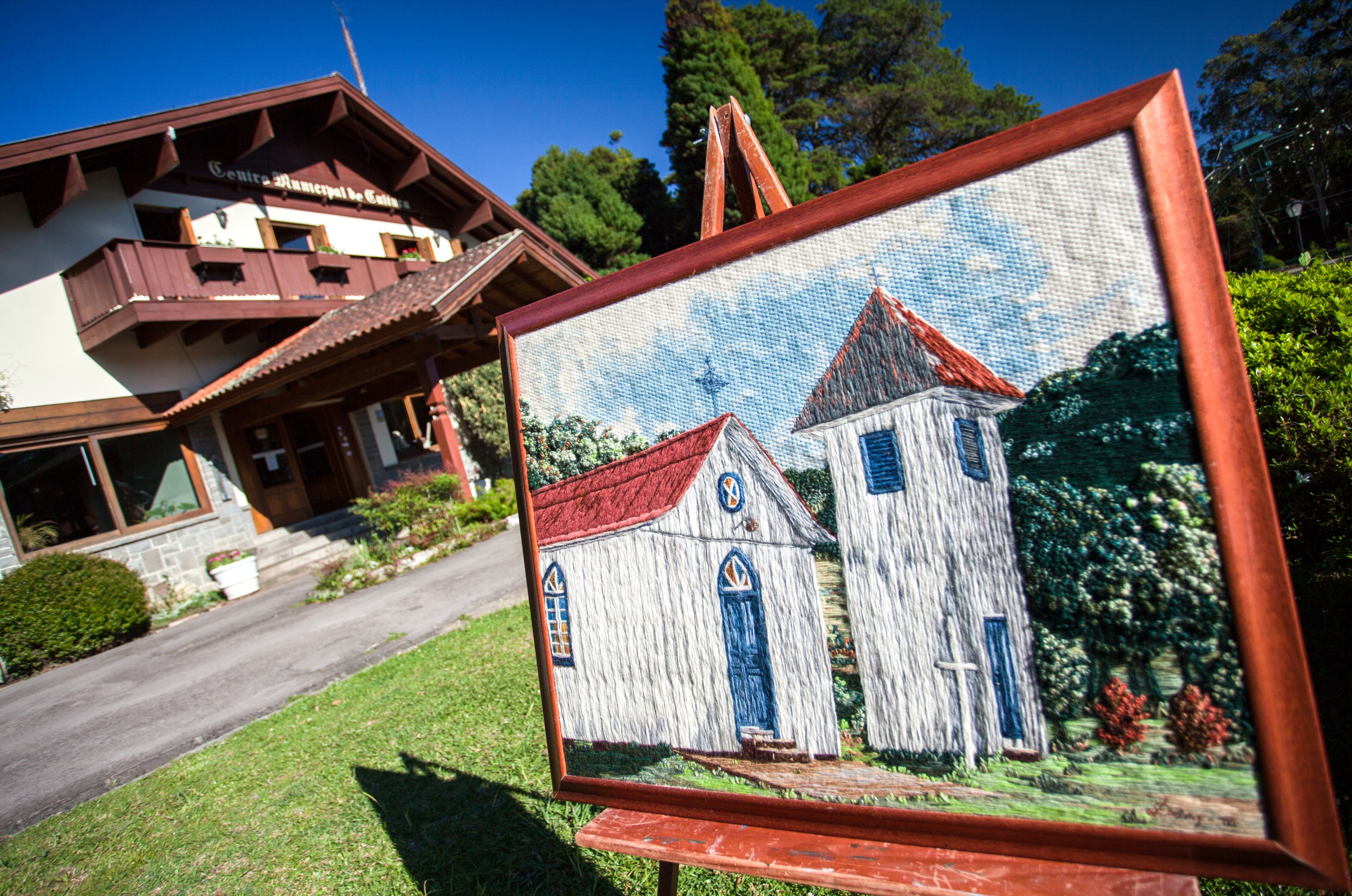
Located next to Lake Joaquina Rita Bier, the Municipal Center of Culture hosts exhibitions, courses, and important references to Gramado's history. The space connects visitors with the city's artistic and cultural output in an environment that also invites contemplation.
At the Ethnic Square (Praça das Etnias), artisans showcase and sell products typical of Gramado. The pieces reveal the talent and care of local artists, who use various raw materials and celebrate the art of craftsmanship.
The Pedro Henrique Benetti Arts Program offers workshops in various artistic disciplines to the community, fostering culture and professional development for those working in Gramado's events. A visit offers a glimpse behind the scenes of the city's artistic production, especially for the Natal Luz festival.
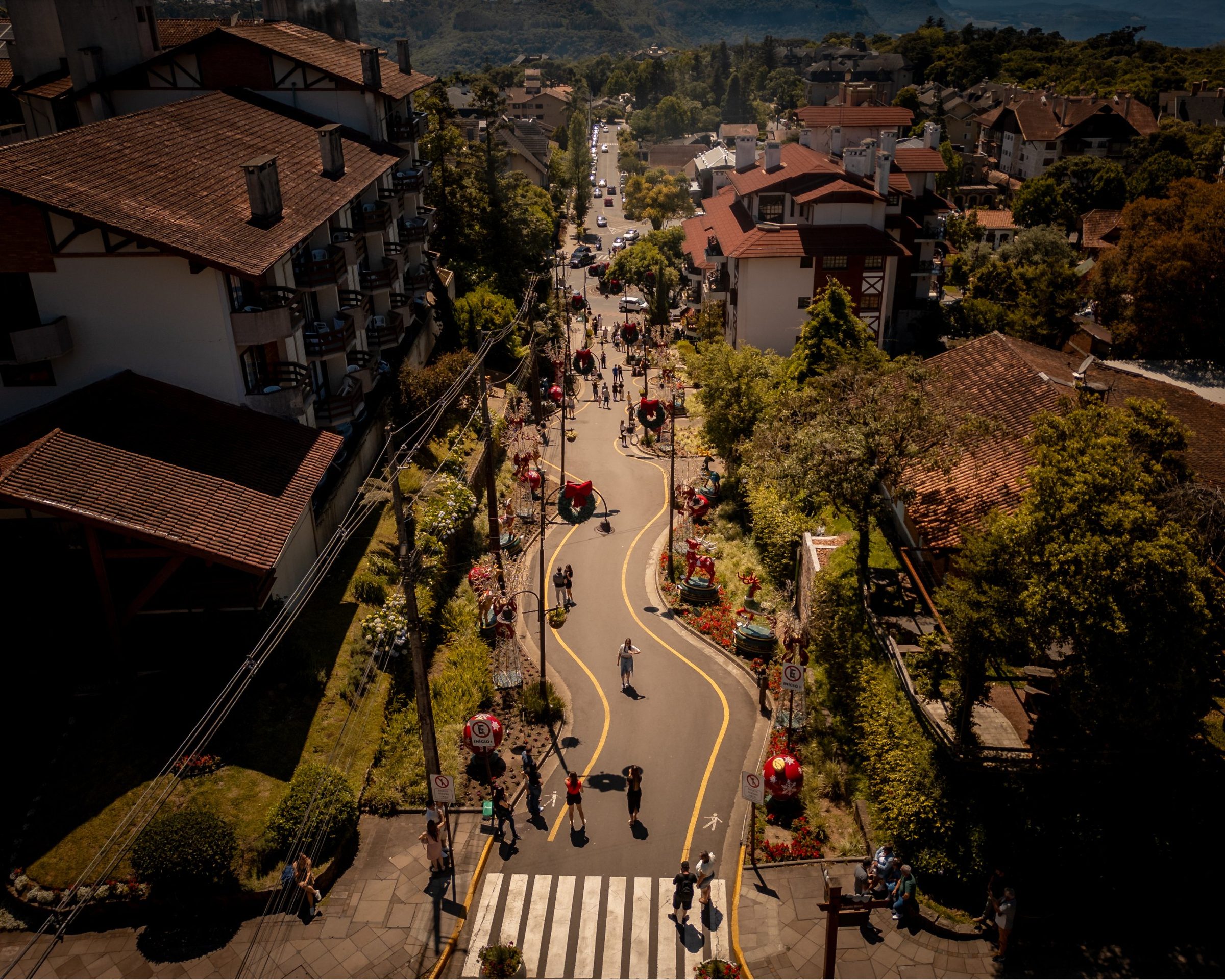
With its winding path and floral landscaping, Rua Torta is one of Gramado's most iconic spots. The space is perfect for a leisurely walk, quiet contemplation, and soaking in the city's unique atmosphere.
The agritourism itineraries they provide an experience of connection with rural life, bringing together art, gastronomy, customs, and the stories of families living in the countryside of Gramado. There are four official routes available, each with experiences that celebrate the traditions and identity of local communities.

At Cristais Gramado, visitors will find a showroom of crystal products and can learn about the artisanal manufacturing process, carried out using the ancient Murano technique. It is an experience that brings the public closer to the art, technique, and delicacy of this craft.
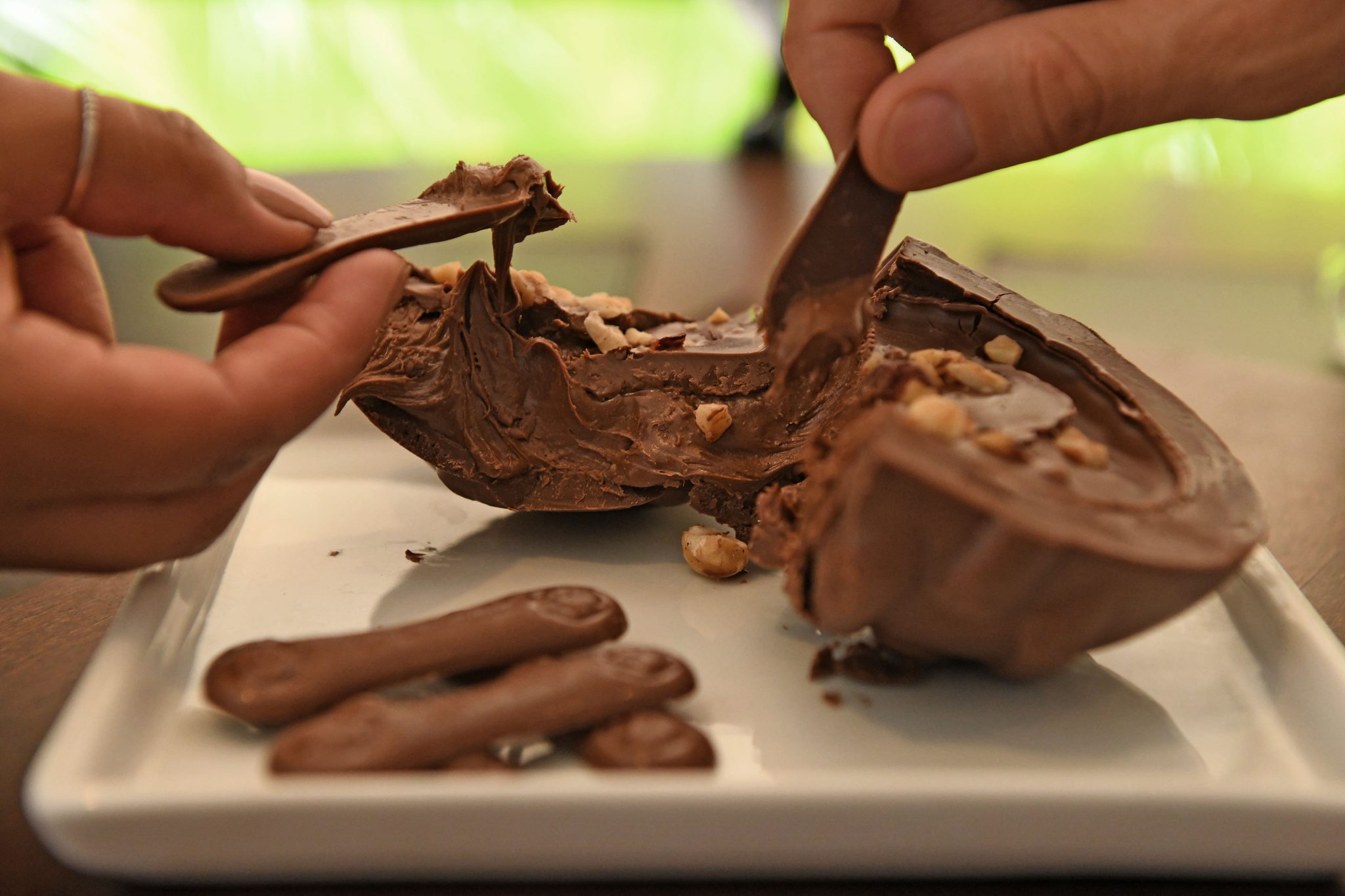
In Gramado, chocolate is tradition, history, and artisanal expression. This experience leads you to discover the origin and nobility of cocoa, learn interesting facts about its production, and try different ways to enjoy this product. Gramado is recognized as the National Capital of Artisanal Chocolate by Federal Law No. 13,990, enacted on April 20, 2020.

The Praça das Etnias (Ethnic Square) pays tribute to the Italian, German, and Portuguese cultures that played an important role in the formation of Gramado. The space brings together references from these colonizing communities and provides an experience of connection with the history, architecture, and traditions that make up the municipality's identity.
The Perfume Museum presents the history of perfumery, its concepts and terminology, as well as interesting facts about the physiology of smell. The visit also includes psychological tests that guide the choice of fragrances, providing a sensory and informative experience.
The Wax Museum features replicas of cinema and pop culture icons in themed settings. It is an experience that combines art, fantasy, and entertainment, transporting visitors to scenes inspired by the world of well-known characters.

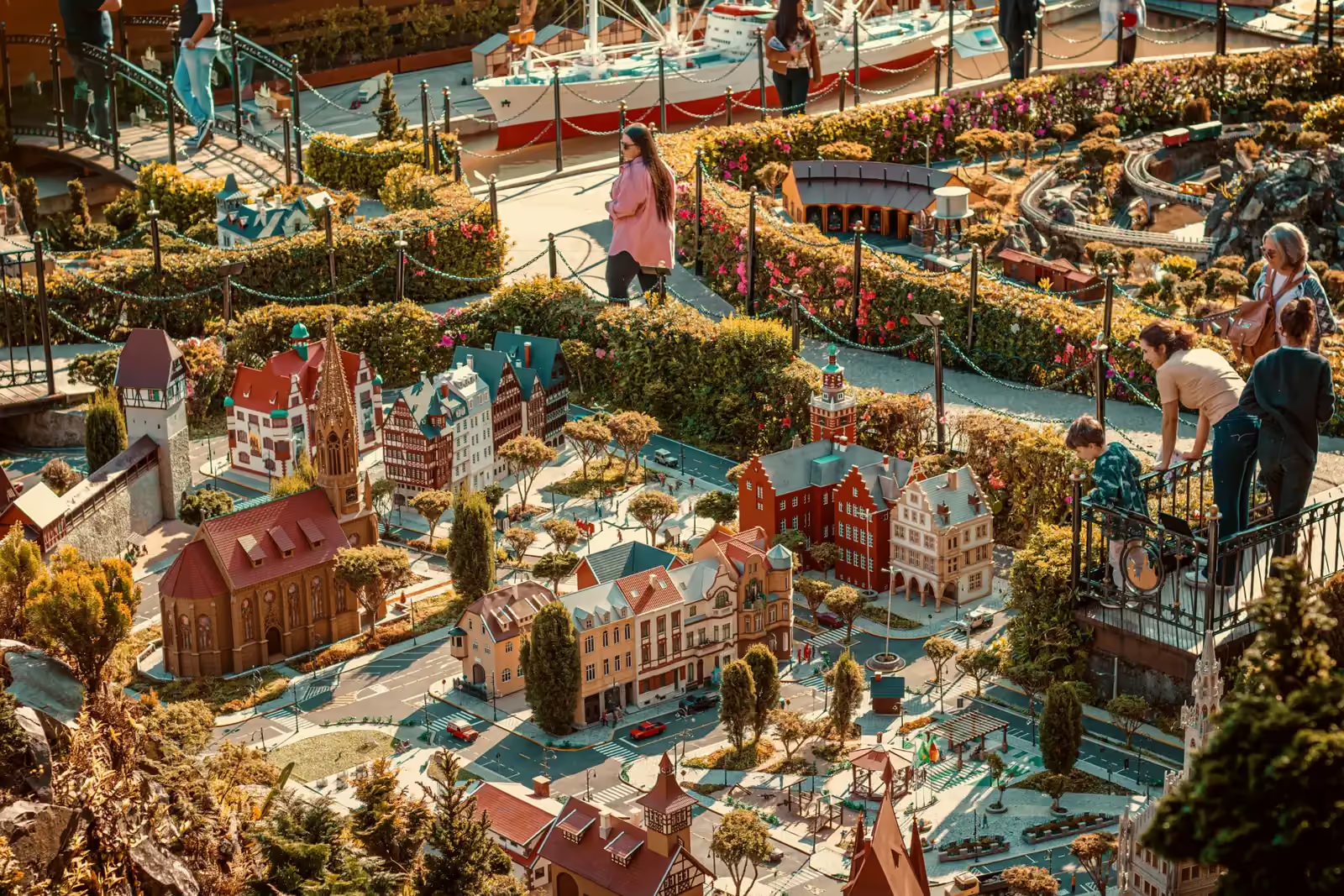
In a beautiful open-air garden, Mini Mundo brings together replicas of tourist attractions and real architectural works from different parts of the world. With its mini inhabitants, the park provides an experience of observation and discovery on a reduced scale, bringing visitors closer to international cultural landmarks.

Near Black Lake, the Elisabeth Rosenfeldt Craft Village brings together local artisans who sell pieces made from various materials, such as wood, wicker, fabric, metal, cold porcelain, ceramics, and candles. The space highlights the work of local artisans in one of Gramado's most famous settings.
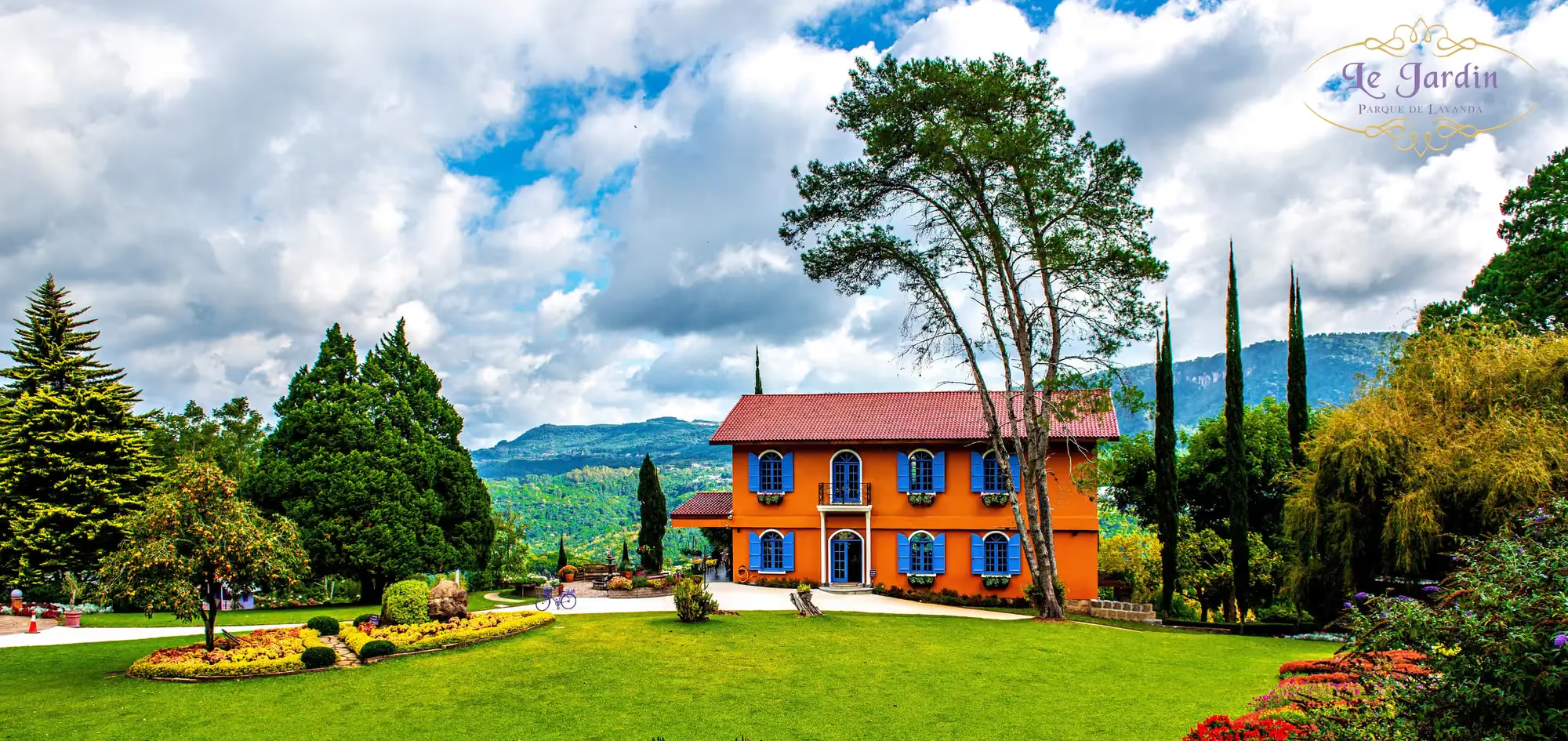
Le Jardin Lavender Park celebrates lavender and its therapeutic, ornamental, and culinary applications. The space also encourages the culture of natural gardens, sharing techniques and knowledge related to cultivation and the artistic possibilities of gardening.
The Casa das Artes is a space dedicated to the exhibition and sale of cultural products from Gramado. The venue also facilitates the exchange of experiences and techniques between visitors and artists. More than 100 local artists participate in the project, helping to give visibility to the municipality's creative output.
The Professor Hugo Daros Municipal Museum houses a diverse collection that helps preserve the memory of Gramado and its residents. The space is dedicated to the dissemination, research, preservation, and appreciation of local history.
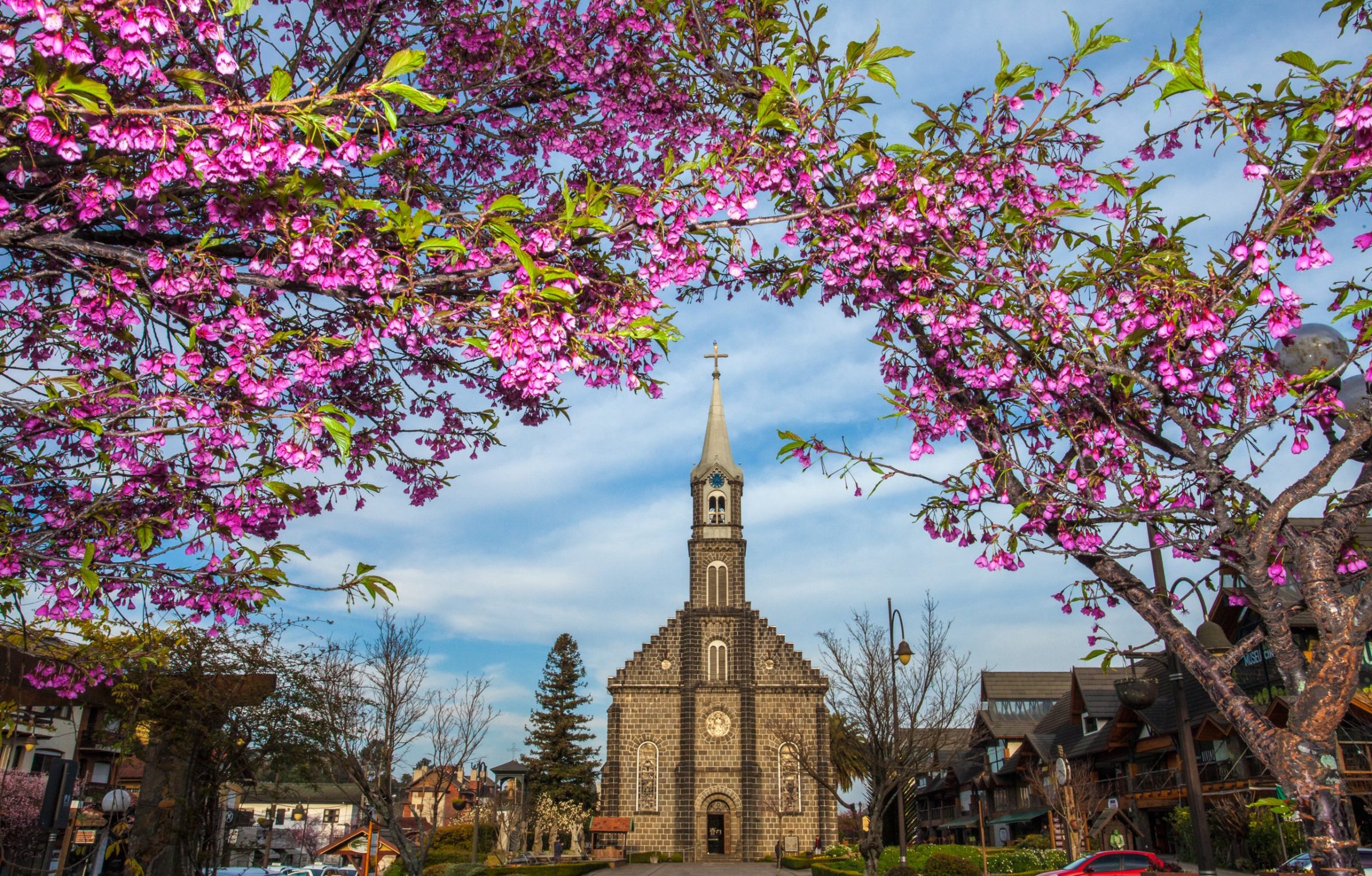
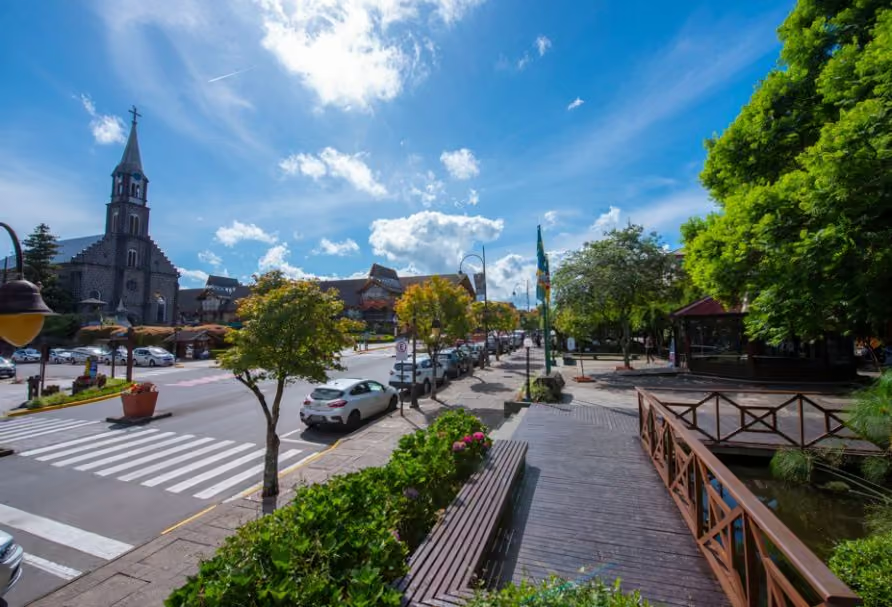
The grounds of the São Pedro Parish Church feature sculptures of the 12 apostles, rainwater-fed fountains, landscaped gardens, and a cultural and commercial gallery. The site is also home to the Eternal Love Fountain, one of Gramado's most well-known landmarks.
The Mine offers a journey into the earth, featuring over 80 meters of tunnels lined with precious stones. The experience combines knowledge, fascinating facts, and the colors and shapes of nature, showcasing the diversity of the mineral world.
Located in Gramado's largest neighborhood, the Várzea Grande Cultural Center provides a space dedicated to cultural expression and community appreciation. It is a place that helps preserve the hospitable spirit and identity of those who live in the neighborhood.
With a self-guided tour, the Wine Museum presents the history of the beverage, its production processes, and the traditions of the winemaking world. At the end of the tour, visitors participate in a tasting led by sommeliers, featuring labels from wineries in Rio Grande do Sul.
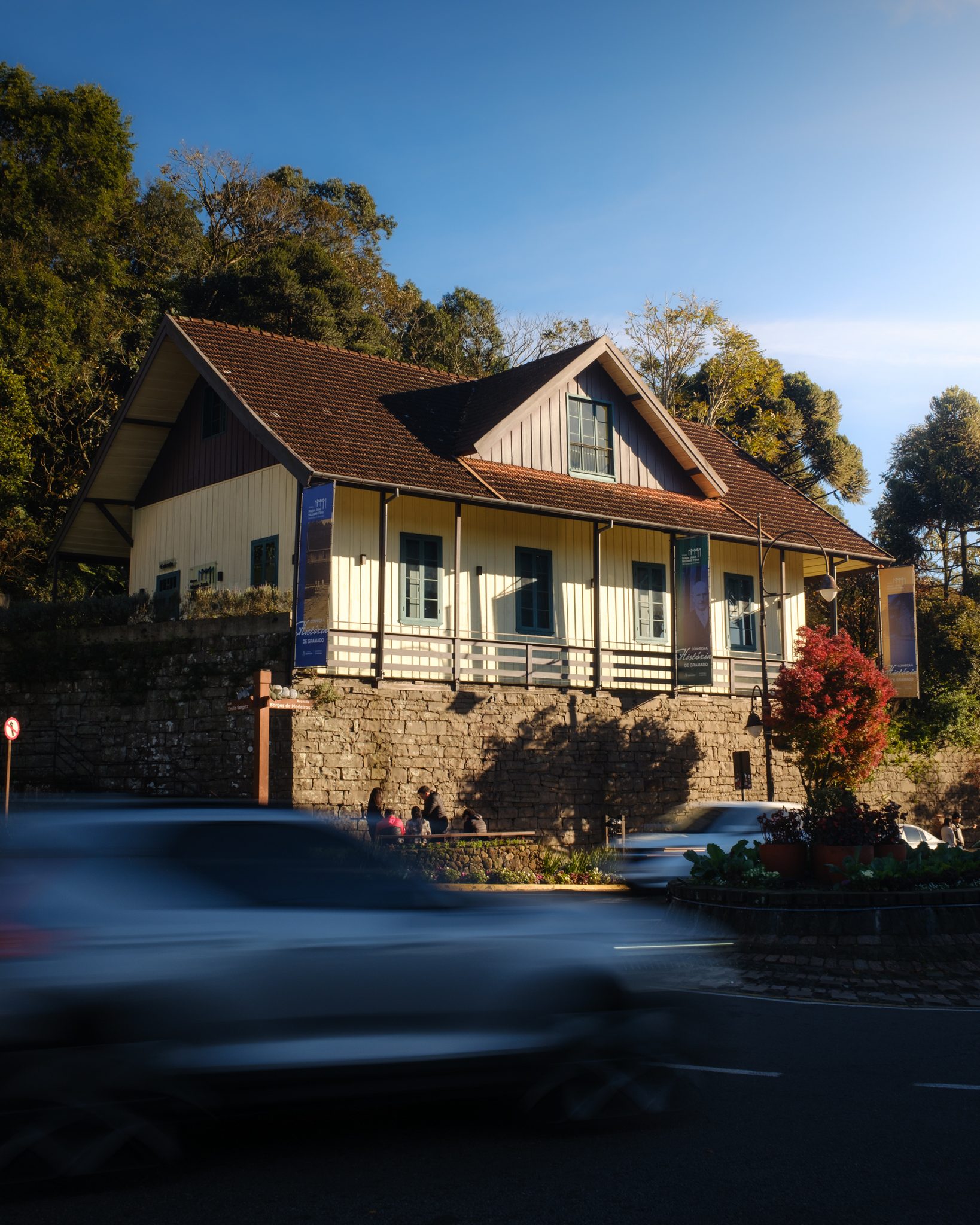
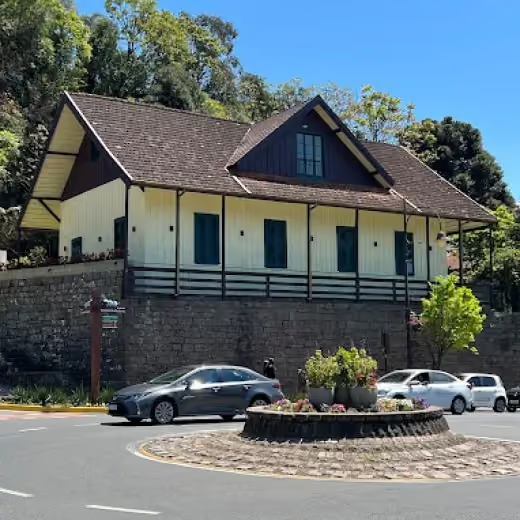
Located next to the Crooked Street (Rua Torta), the Major José Nicoletti Filho Museum is dedicated to the history of Gramado's formation as a municipality and the life of the city's first sub-intendant. The space recovers important memories for understanding the origins and development of the city.
The Gramado Cultural Itinerary reveals a city that transforms its history, traditions, and talents into experiences for residents and visitors alike. From a stroll through historical sites to a tasting of colonial products, and from visiting museums to discovering the work of local artists, each stop offers a different way to get to know the identity of Gramado.
Explore the attractions, participate in the experiences, and discover a Gramado that goes beyond the well-known sights: a creative city that values its culture, preserves its roots, and finds new ways to reinvent itself through art and community.