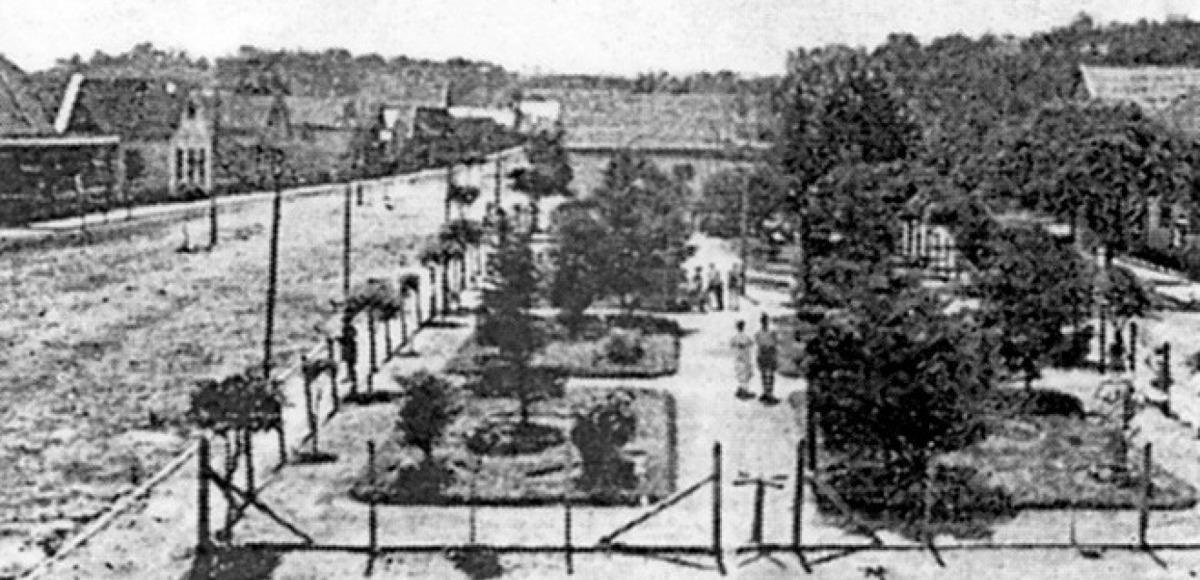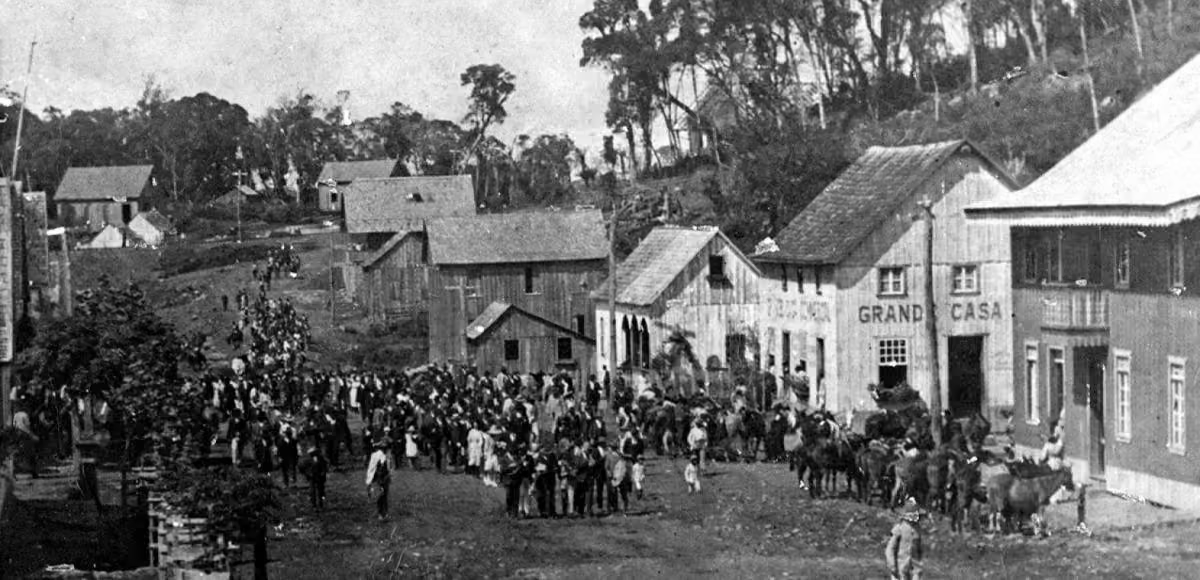
The history of Gramado is directly linked to its geographical location, the passage of cattle drovers, and the arrival of European immigrants. Located in Rio Grande do Sul, the city built its identity based on cultural diversity, natural beauty, and a journey that transformed the municipality into one of Brazil's top tourist destinations.
The name Gramado is tied to its past, when the region served as a route for cattle drovers moving livestock through the Campos de Cima da Serra in the late 19th century.
Upon reaching the top of the Serra, both drovers and immigrants would find a small field of soft, green grass that served as a resting place to regain their strength during the journey. According to one historical account, this lawn (gramado) is what gave the city its name.
Another explanation for the name's origin relates to the access route from the Vale dos Sinos to the Serra, via the Serra Grande. The crossing required great care and was referred to as "Gramado." Thus, there are different versions regarding the origin of the municipality's name, both linked to its history and the region's geographical features.

The colonization of Gramado is marked by the influence of various European peoples. The process began with the arrival of Portuguese immigrants in 1875, followed by the Germans five years later, and later by Italian immigrants coming from Caxias do Sul, which borders Gramado.
This diversity of origins contributed directly to the formation of the municipality's cultural identity. While developing the cultural traditions of its European descendants, Gramado also incorporated aspects of the "gauchismo" lifestyle.
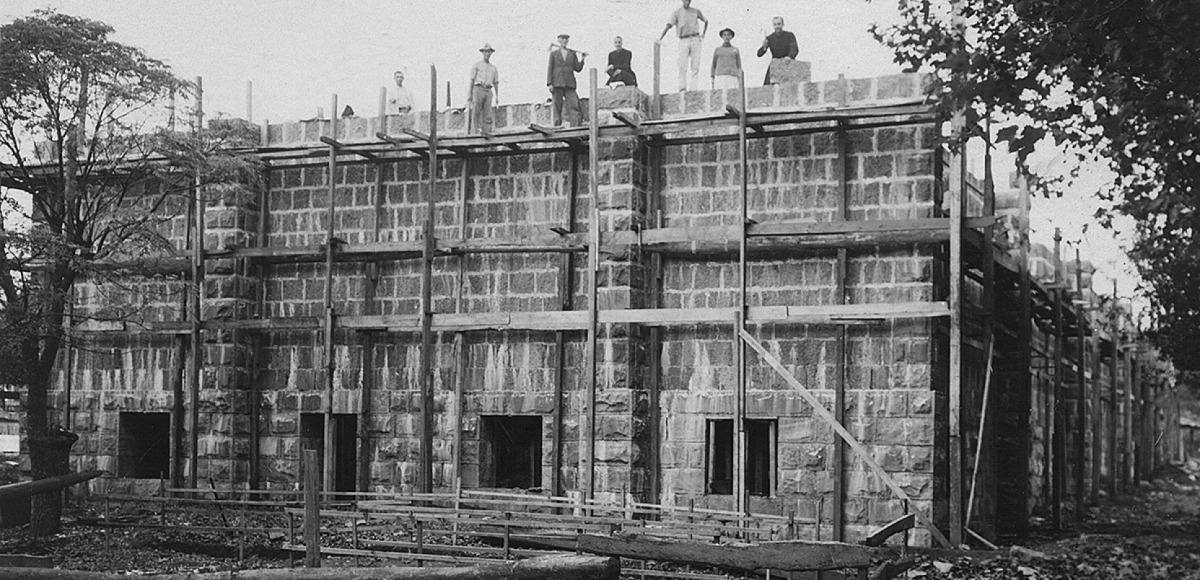
The result of this cultural blend can be observed today in various aspects of life in Gramado, especially in its varied cuisine and the city's architecture. This combination of influences has made Gramado a destination with its own unique cultural character, one that preserves its roots and values its traditions.
Natural landscapes are a fundamental part of Gramado's identity. Araucaria forests, birds, wildlife, and the characteristic mountain mist create scenery that gives the municipality a special charm.
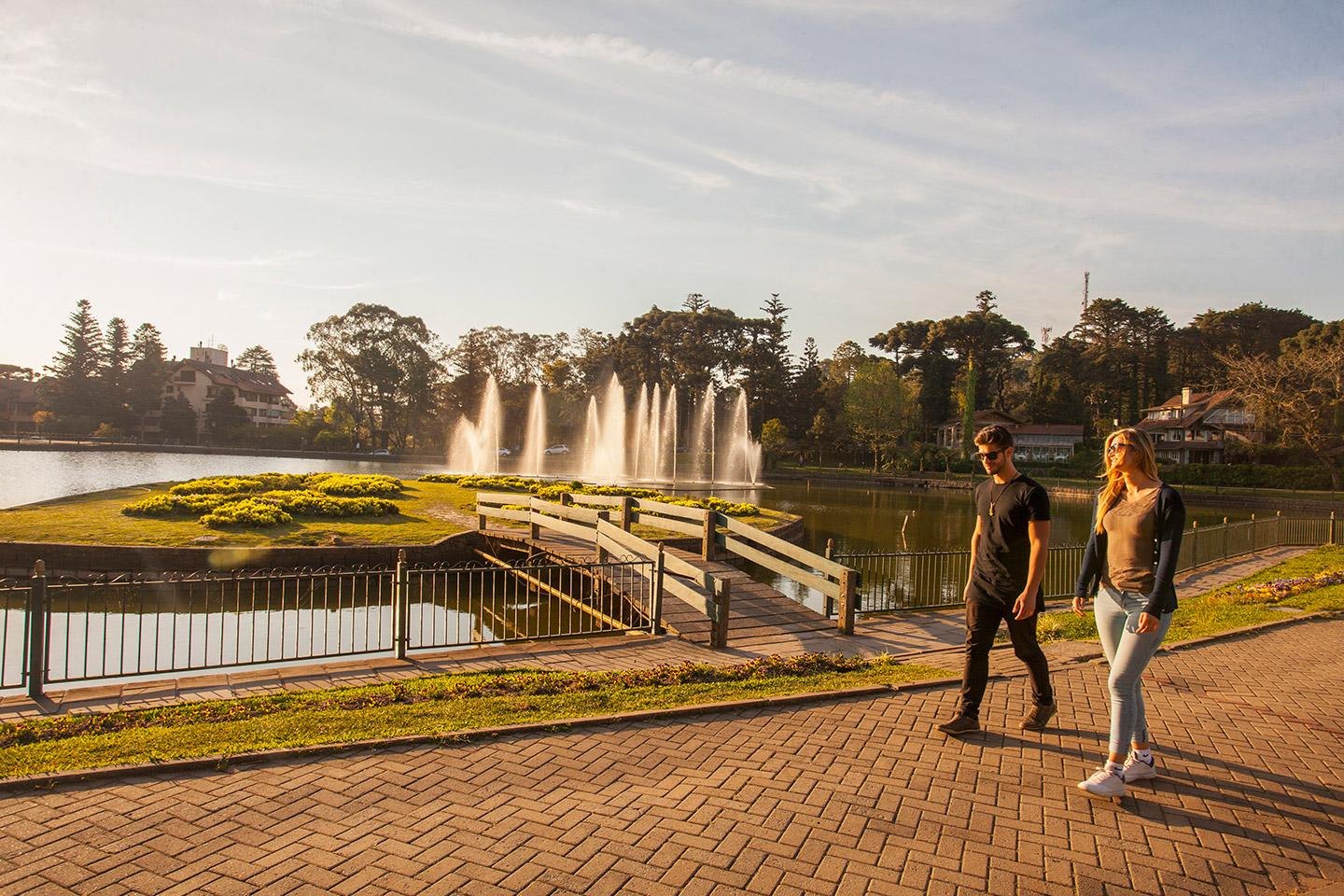
Gramado's vocation for tourism was sparked by its fresh air and mild summer temperatures, as well as the occurrence of snow in the winter. During this time of year, frost transforms the landscape and creates unforgettable scenes at the city's tourist spots.

The natural and climatic characteristics have helped establish Gramado as a destination sought after by visitors throughout the year, offering experiences that change with the seasons.
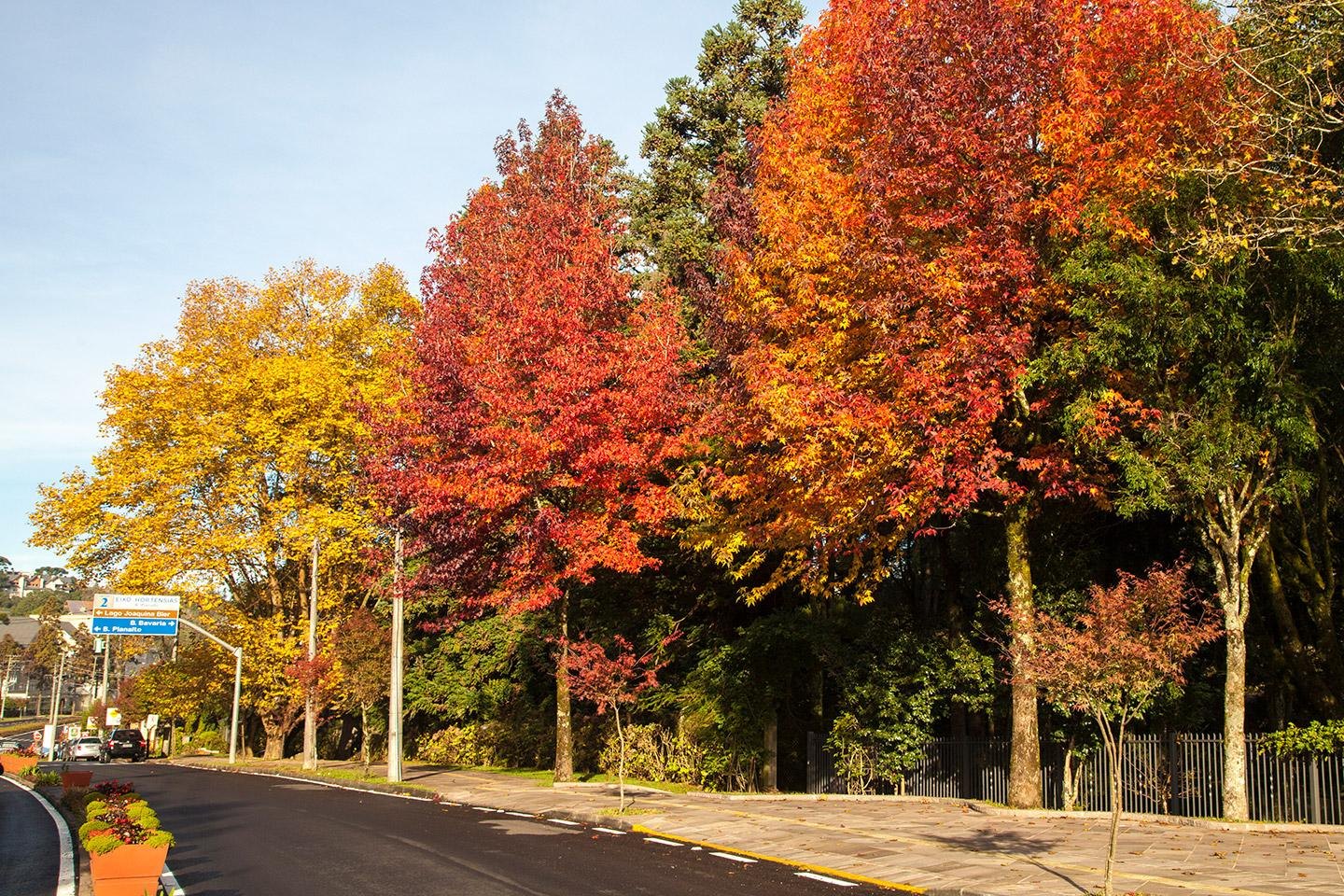
The municipality of Gramado was created by Law 2,522 on December 15, 1954, after gaining independence from the city of Taquara.
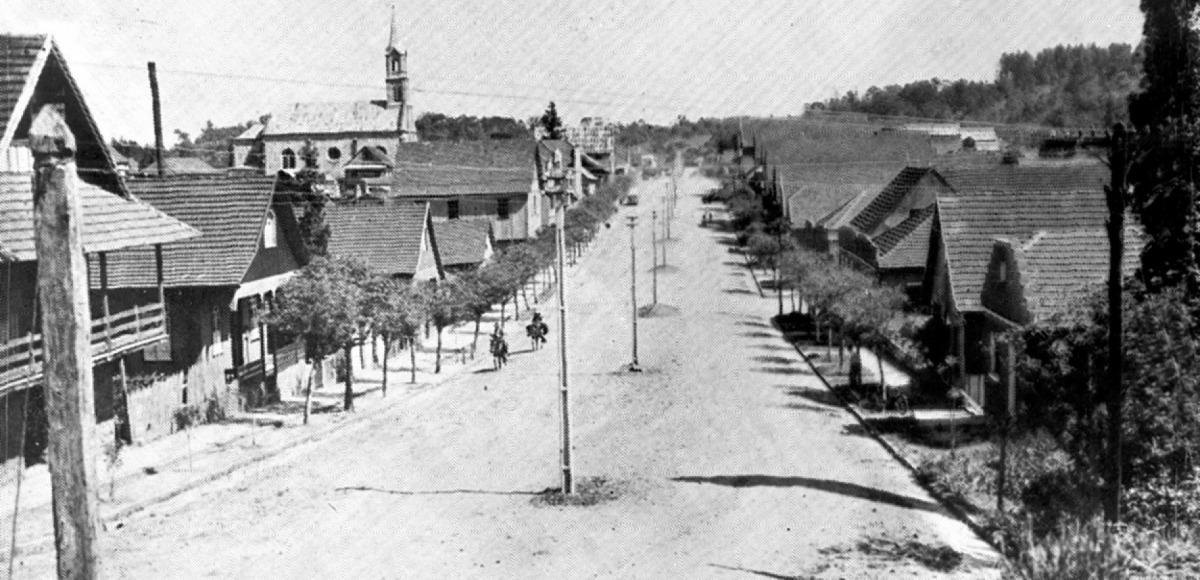
Since its emancipation, Gramado has undergone a development process that has strengthened its urban and tourism infrastructure. Over these years, the city has built a broad and high-quality hospitality infrastructure, placing it at the top of destinations in Rio Grande do Sul and among the three best destinations in Brazil.
Today, Gramado's historical trajectory is directly connected to its tourism vocation, the preservation of its cultural traditions, the appreciation of its natural beauty, and its ability to welcome visitors. It is a city that keeps its origins alive and has built, over time, an identity recognized for its culture, hospitality, and tourist attractions.